
Learning is not a single destination with a fixed stopping point; rather, it is a continuous, lifelong journey that evolves as we do. From a child’s very first hesitant steps into a structured classroom environment to an adult confidently pivoting into a completely new dream career, education constantly shapes our identity, our capabilities, and our future opportunities. In today’s fast-paced world, the traditional mindset of completing school in early adulthood and never returning to a classroom is completely obsolete. Instead, people of all ages are constantly seeking new ways to expand their minds, secure better employment, and enrich their personal lives.
1. Crucial Factors to Evaluate in Early Development Programs
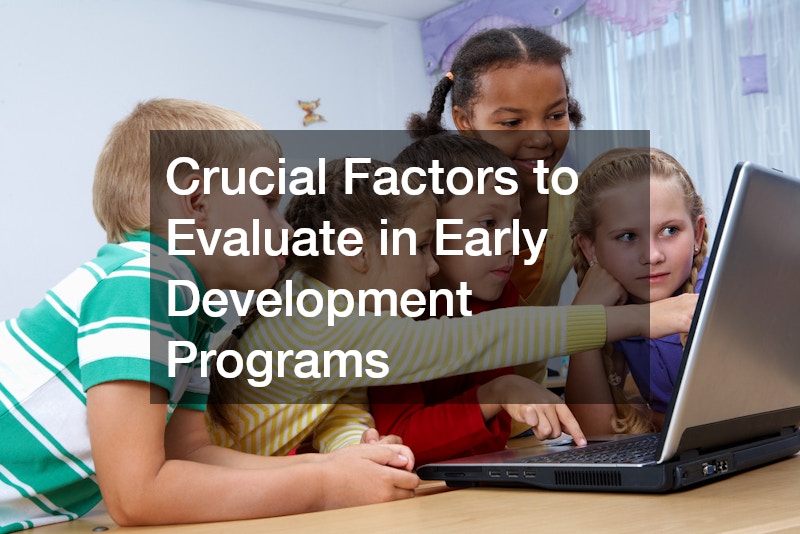
When you begin researching different regional options, it is helpful to look specifically at how preschool centers structure their daily routines to balance free play with guided group activities. A high-quality facility will prioritize sensory exploration, language-rich environments, and emotional support over rigid worksheets or screen time. Parents should look for programs that encourage children to solve problems collaboratively, express their feelings constructively, and explore the physical world around them safely.
Furthermore, evaluating the long-term continuity of a program is essential for minimizing transitional anxiety as your child grows older. Opting for comprehensive preschool and kindergarten childcare systems allows children to form deep, stable bonds with educators and peers over several consecutive years. When touring these facilities, parents should look past the colorful wall decorations and focus heavily on teacher retention rates, staff-to-child ratios, and the specific protocols used to manage behavioral milestones like potty training and separation anxiety.
2. Balancing Academic Support and Creative Expression for Growing Kids
Securing a spot in a reputable local after school care program can provide children with a balanced mix of structured homework assistance and physical recreation. The best programs employ staff members who actively engage with students to reinforce what they learned during the school day, rather than simply acting as passive babysitters. Look for environments that offer a clear daily schedule, healthy snacks, and a mix of independent study time and collaborative group games.
At the same time, youth enrichment should explicitly nurture a child’s unique internal passions and creative impulses. Enrolling an imaginative child in a specialized community art school can provide a powerful outlet for self-expression, fine motor skill development, and spatial reasoning. These specialized creative institutions teach children that failure is simply an iterative part of the creative process, building psychological resilience that carries over into their traditional math, science, and reading classes.
3. Preparing Young Adults for Real-World Responsibilities and Safety
The teenage years mark a profound psychological shift as young adults begin transitioning away from complete parental dependence toward personal autonomy. This unique developmental stage requires educational experiences that emphasize real-world risk management, personal accountability, and practical execution. For many teenagers, the ultimate symbol of this newfound independence is learning how to safely operate a motor vehicle, which requires serious instruction.
Investing in professional driving lessons is one of the most critical decisions a parent can make to ensure their teenager’s long-term physical safety and legal compliance. While a parent can certainly teach the basic mechanics of operating a vehicle, certified instructors are specifically trained to teach defensive driving techniques, complex highway navigation, and hazard recognition. Professional programs also remove the emotional tension that frequently arises when a parent attempts to coach their own child through a high-stress learning environment.
4. How to Audit Technical Programs for Maximum Financial Return

For generations, high school students were told that a traditional four-year university degree was the only viable path to long-term financial stability. However, changing economic realities and skyrocketing tuition debts have completely dismantled this myth, shining a bright light on high-value vocational pathways. The modern economy is experiencing a massive, unprecedented shortage of highly skilled technical workers, making trade education an incredibly lucrative alternative.
For individuals who enjoy tactile, analytical problem-solving and working with their hands, enrolling in accredited welding classes can lead directly to a stable career. Industrial manufacturing, infrastructure construction, and specialized aerospace engineering firms are constantly competing for certified welders, often offering starting salaries that rival or exceed those of traditional college graduates. When auditing these programs, prospective students must look for facilities that provide ample booth time, up-to-date safety gear, and direct pathways to earning industry-standard certifications.
To maximize your educational return on investment in the technical sector, it is vital to select a trade school that maintains strong, active partnerships with regional employers. High-quality vocational programs frequently host exclusive job fairs, offer paid apprenticeships, and continuously update their training curricula to match the exact technological needs of local industries. By choosing a program that aligns its success with your immediate employment, you drastically reduce the time it takes to transition from the classroom to a high-paying career.
5. Establishing a Strong Foundation in Creative Service Industries
The vocational landscape extends far beyond industrial manufacturing and heavy construction into the massive, resilient world of personal care and creative grooming services. For individuals possessing a strong entrepreneurial spirit, excellent interpersonal skills, and an eye for aesthetics, the service trades offer a direct path to self-employment and business ownership. These industries are highly resistant to automation, as they rely entirely on human creativity, precision, and physical touch.
Prospective students looking to break into the booming men’s grooming market should carefully evaluate regional barber schools to find an immersive, hands-on training environment. A premier institution will not only teach classic and modern haircutting techniques, chemical treatments, and straight-razor shaving protocols, but will also provide intensive instruction on state sanitation laws and business management. Success in this field requires a deep understanding of how to build a loyal client book, manage retail inventory, and market services on social platforms.
When auditing any service-based trade program, you should look specifically for schools that operate a bustling, supervised public clinic floor. This setup allows students to practice their emerging skills on real, paying clients under the direct guidance of experienced instructors, mimicking the fast-paced pressure of a real shop. Accumulating hundreds of hours of live, hands-on experience before graduation ensures that you will possess the speed, confidence, and customer service skills required to thrive on your very first day of professional employment.
6. Navigating the Evolving Landscape of Modern Wellness and Aesthetics
Alongside grooming, the broader aesthetics and personal wellness industries have experienced explosive global growth over the past decade, driven by an increased consumer focus on self-care, skin health, and non-invasive cosmetic procedures. This surge has created a massive demand for licensed estheticians, makeup artists, and nail technicians who understand both the creative artistry and the rigorous biological science behind modern skincare treatments.
Attending a top-tier local beauty school can unlock access to this lucrative, fast-paced professional world, provided the institution is fully aligned with current industry regulations. A modern aesthetics curriculum must cover advanced subjects such as dermatological chemistry, skin pathology, electricity-based facial modalities, and strict infection control procedures. Prospective students should avoid programs that rely solely on outdated textbooks, opting instead for academies that invest heavily in modern clinical equipment and popular skincare product lines.
7. Assessing Intensive and High-Tech Professional Career Pivots
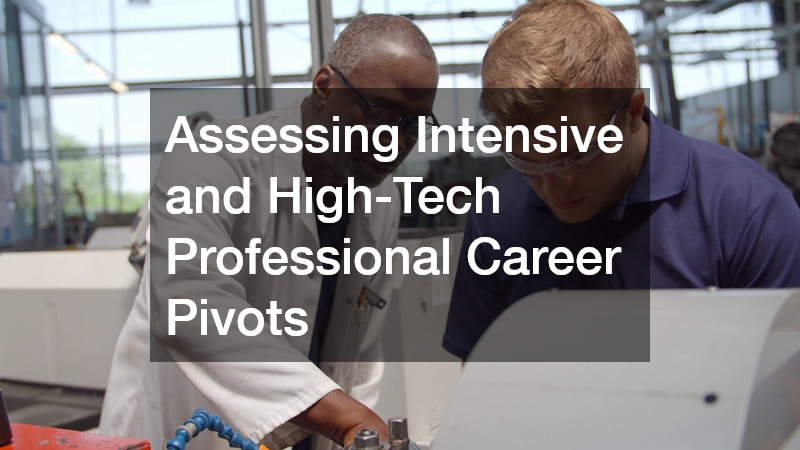
While some adult learners look toward the creative and service industries for their career transitions, others are drawn to highly technical, deeply regulated fields that demand extreme cognitive focus and precise operational execution. One of the most exhilarating and financially rewarding career pivots an individual can make is entering the world of professional aviation, a field currently facing a severe, global shortage of qualified personnel.
Enrolling in a structured, FAA-certified flight school requires a monumental commitment of time, mental energy, and financial capital, making the selection process incredibly high-stakes. Aspiring pilots must choose between accelerated programs designed for rapid commercial airline placement and flexible, modular training paths designed for private recreational aviation. A top-tier aviation academy will feature a meticulously maintained training fleet, advanced flight simulation technology, and a deep, unyielding organizational culture centered entirely around safety and risk mitigation.
8. Strategies for Selecting the Ultimate Learning Experience for Your Goals
Whether you are looking to learn a complex technical trade, pick up a rewarding personal hobby, or find a foundational program for your child, the ultimate success of your educational journey depends entirely on your ability to filter through options and identify the single best class for your unique learning style and schedule. With an abundance of online platforms, community colleges, and private academies competing for your attention, consumers must become highly critical evaluators of educational quality.
To make an informed decision, you should start by reading third-party student reviews, checking official institutional accreditations, and asking to audit a live session before paying any tuition fees. Pay close attention to how the instructor interacts with students, handles questions, and structures the pacing of the lecture or lab. A truly exceptional class will feature a clearly defined syllabus, measurable learning objectives, actionable feedback loops, and an instructor who possesses both deep domain expertise and genuine teaching talent.
9. Embracing Lifelong Learning and Continuing Education for Adults
As professionals advance through their careers, they often discover that the skills that helped them secure their initial entry-level positions are not the same skills required to climb into leadership roles or transition into entirely new economic sectors. The modern global economy rewards adaptability above almost all else, making continuing education a vital practice for anyone looking to avoid professional obsolescence. Adult education can take many forms, from brief weekend seminars to year-long executive certification tracks.
When returning to a classroom environment as an adult, the primary challenge is balancing your coursework with an already packed schedule of professional deadlines, mortgage payments, and family obligations. Successful adult learners look for programs that offer asynchronous online modules, hybrid evening schedules, or compressed weekend bootcamps designed specifically for busy professionals. These flexible formats allow you to acquire high-value technical or managerial skills without forcing you to sacrifice your current salary or take an extended hiatus from the workforce.
Furthermore, adult continuing education provides a phenomenal, organic networking environment where you can connect with motivated, like-minded professionals from diverse corporate backgrounds. The relationships you build with your instructors and fellow students during case studies, group projects, and lab sessions can frequently lead directly to unadvertised job openings, corporate partnerships, and valuable mentorship opportunities. Viewing education as an ongoing, permanent part of your adult life ensures that you remain intellectually sharp, professionally relevant, and ready to capitalize on new opportunities.
10. Creating a Unified Educational Roadmap for the Entire Household

When a household embraces a comprehensive culture of learning, educational planning stops being an isolated task handled for one person at a time and becomes a collective, multi-generational family strategy. Parents who actively pursue their own professional certifications or creative hobbies set a powerful, visible example of curiosity and resilience for their children to witness every day. Managing the diverse educational tracks of multiple family members simultaneously requires careful financial planning, smart scheduling, and a shared commitment to growth.
Building a successful household roadmap starts with mapping out the major educational milestones for each family member over a rolling three-to-five-year period, allowing you to anticipate major tuition spikes, scheduling overlaps, and intense transitional phases. This proactive approach ensures that a parent’s career pivot or trade school enrollment does not financially conflict with a child’s early childhood development program or a teenager’s critical milestone courses. It also allows families to coordinate drop-off schedules, study hours, and shared quiet times at home, reducing friction and maximizing academic focus.
The journey of education is beautiful precisely because it adapts to our changing needs, desires, and responsibilities as we move through the world. There is no age limit on curiosity, and there is no point in a career where growth must grind to a permanent halt. By recognizing that each distinct stage of human life requires a completely unique educational approach, you can make highly informed, empowering decisions for both yourself and your loved ones. Use the specific auditing criteria, vetting strategies, and practical tips outlined in this guide to confidently take control of your learning journey, step into your next classroom with total clarity, and build a brighter future through the transformative power of knowledge.